Close Menu
    Facebook Instagram LinkedIn
    • Subscribe
    • Advertise
    • Contact Us
    Indigenous art. Indigenous perspectives.
    Facebook Instagram LinkedIn Pinterest
    First American Art Magazine
    • Home
    • About Us
      • Press
      • Distribution
      • Sponsors
      • Contact Us
      • Refund and Returns Policy
    • Current Issue
    • Past Issues
      • Archives
      • FAAM Index
    • Content
      • Articles
      • Blog
      • Reference
        • Acronyms
        • Art Terms
        • Artist and Scholar List: A–F
        • Museums, Galleries, and Other Art Venues
        • Timeline of Indigenous Art History of the Americas
    • Calendar
      • Submit an Event
    • Submissions
      • FAAM Style Guide
    • Advertise
    • Subscribe
      • Magazine
      • Monthly Newsletter
    0 Shopping Cart
    First American Art Magazine
    Home»Web Content»Blog»Art and tribal sovereignty at Bears Ears National Monument

    Art and tribal sovereignty at Bears Ears National Monument

    0
    By Stacy Pratt on February 5, 2018 Blog, Web Content
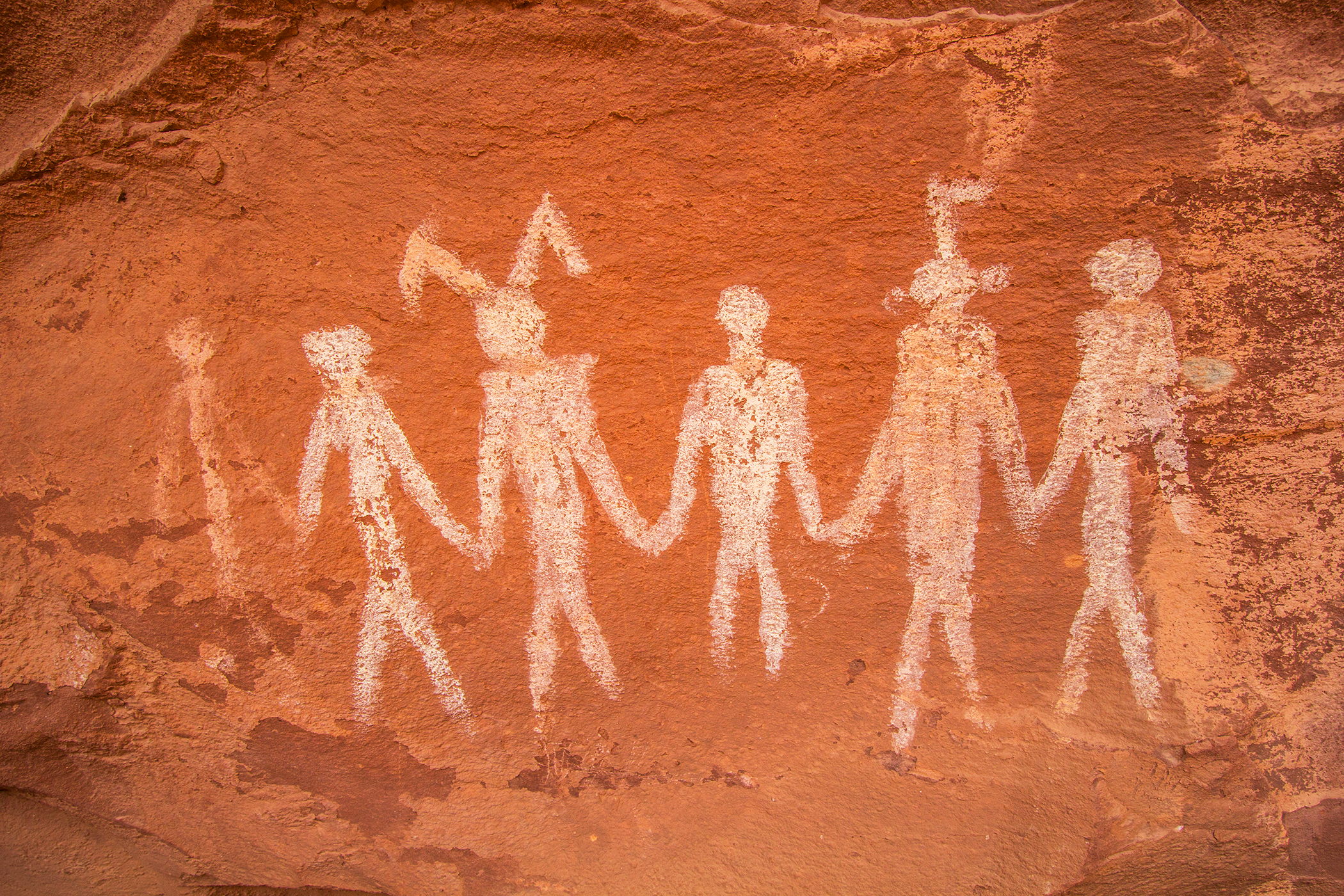
    Rock art at Central Cedar Mesa. Photo by Jonathan Bailey. Courtesy of Bears Ears Inter-Tribal Coalition.

    SALT LAKE CITY, Utah — On Friday, Feb. 2, 2018, large areas of Bears Ears and Grand Staircase-Escalante National Monuments were opened to mining bids in what a Reuters headline described as a “modern-day land run.” Representatives of the Hopi Tribe, Navajo Nation, Ute Indian Tribe, Ute Mountain Ute Tribe, and the Pueblo of Zuni all testified against Rep. John Curtis’ (R.-Utah) bill, H.R. 4532 (Shash Jáa National Monument and Indian Creek National Monument Act), but in the end, federal protection for 85 percent of the land was ended.
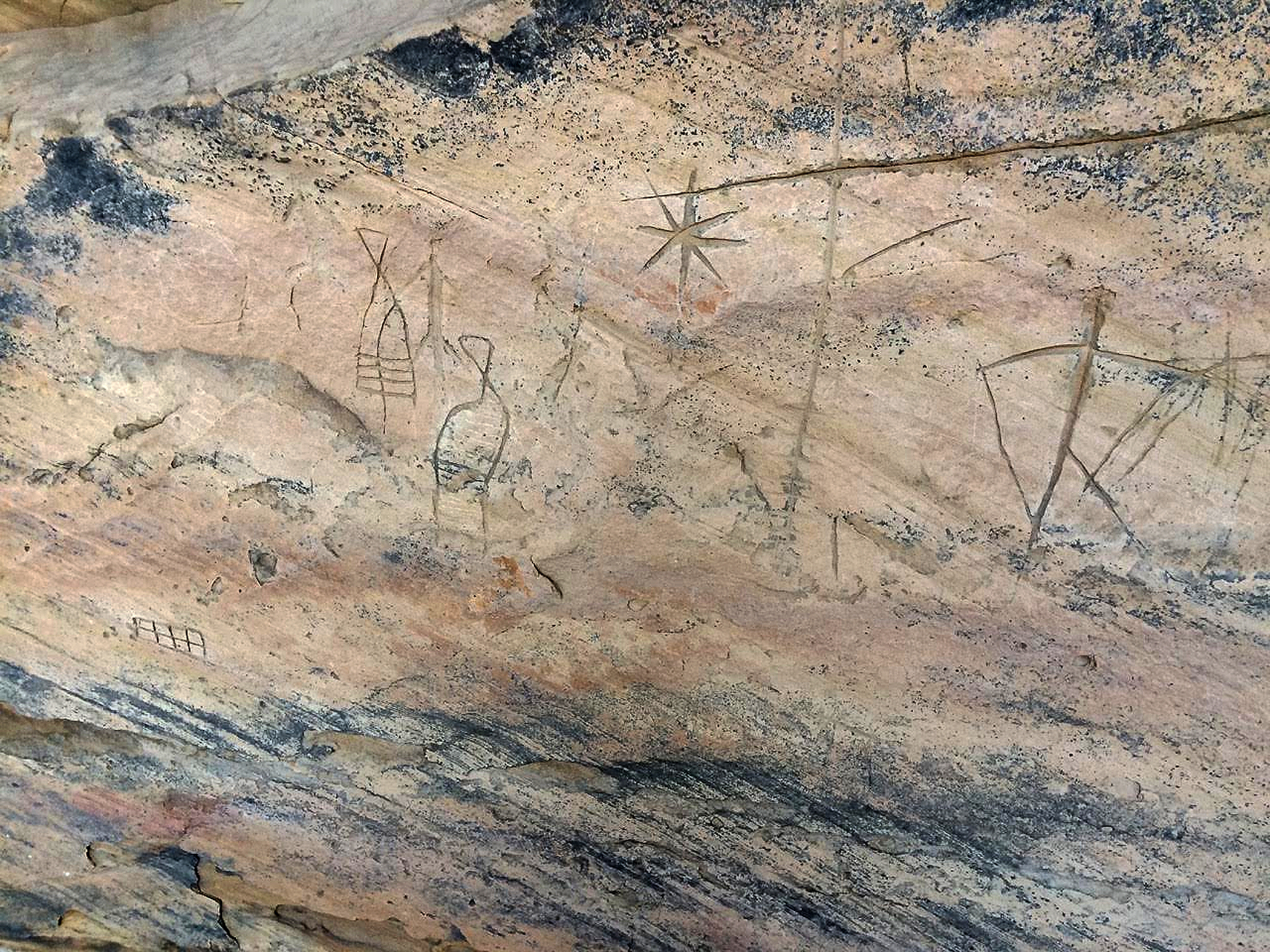
    Allen Canyon Petroglyphs
    Petroglyphs at Allen Canyon

    The formerly protected land is sacred to members of the five tribes whose representatives testified before the  Subcommittee on Federal Lands of the House Committee on Natural Resources. According to the Bears Ears Inter-Tribal Coalition website, the area “contain[s]more than 100,000 cultural and archaeological sites, making it the most significant unprotected archaeological area in the United States.” And tribal citizens continue their relationship with the land today, performing ceremonies there and gathering natural materials like firewood, plants, and herbs for food, medicine, and ceremonial purposes.

    Vandalism and looting of the ancient structures, burial grounds, and petroglyphs have always been a problem, but many say that mining nearby could damage them even more than vandals. According to the five tribes involved in the hearings, the bill also ignores tribal sovereignty while claiming to promote it.
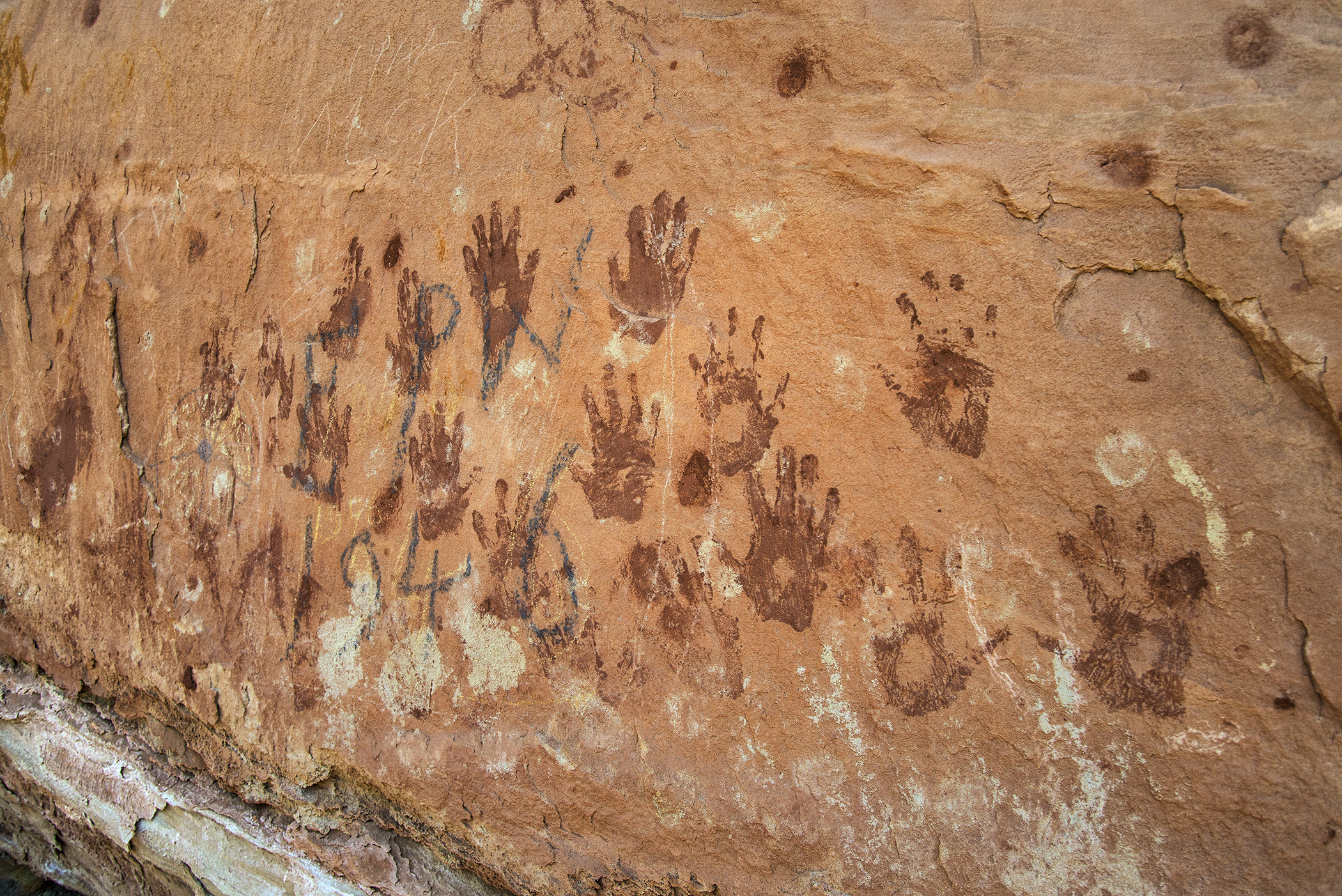
    Vandalized hand panel at Allen Canyon. Photo by Tim Peterson. Courtesy of Bears Ears Inter-Tribal Coalition.

    “Representative Curtis’ bill retains the same failing as the Trump proclamation: It does not protect the landscape in a way that is meaningful and lasting, and it fragments and disconnects the Bears Ears cultural landscape,” said Navajo Nation President Russell Begaye at the hearing. “For the bill to claim that it creates ‘the first tribally managed national monument,’ is an affront to tribal sovereignty and an insult to the intelligence of anyone who has actually read the bill.”

    Now, the bill has passed, and the land is open to mining. On the first day, nobody came to claim land, but the option is now there, just like it was in 1872 under the original mining law that inspired the current change. The late 19th-century saw many Indigenous rights and sacred places destroyed in the name of “progress.” We would like to think things have changed, but here we are again, discussing whether living Indigenous people have the right to make decisions about their ancestral lands and the sacred art left to them by their forebears. The Bears Ears Inter-Tribal Coalition continues to pursue legal means to regain protection for the area.

    To find out what you can do, visit the Bears Ears Inter-Tribal Coalition website. #StandWithBearsEars
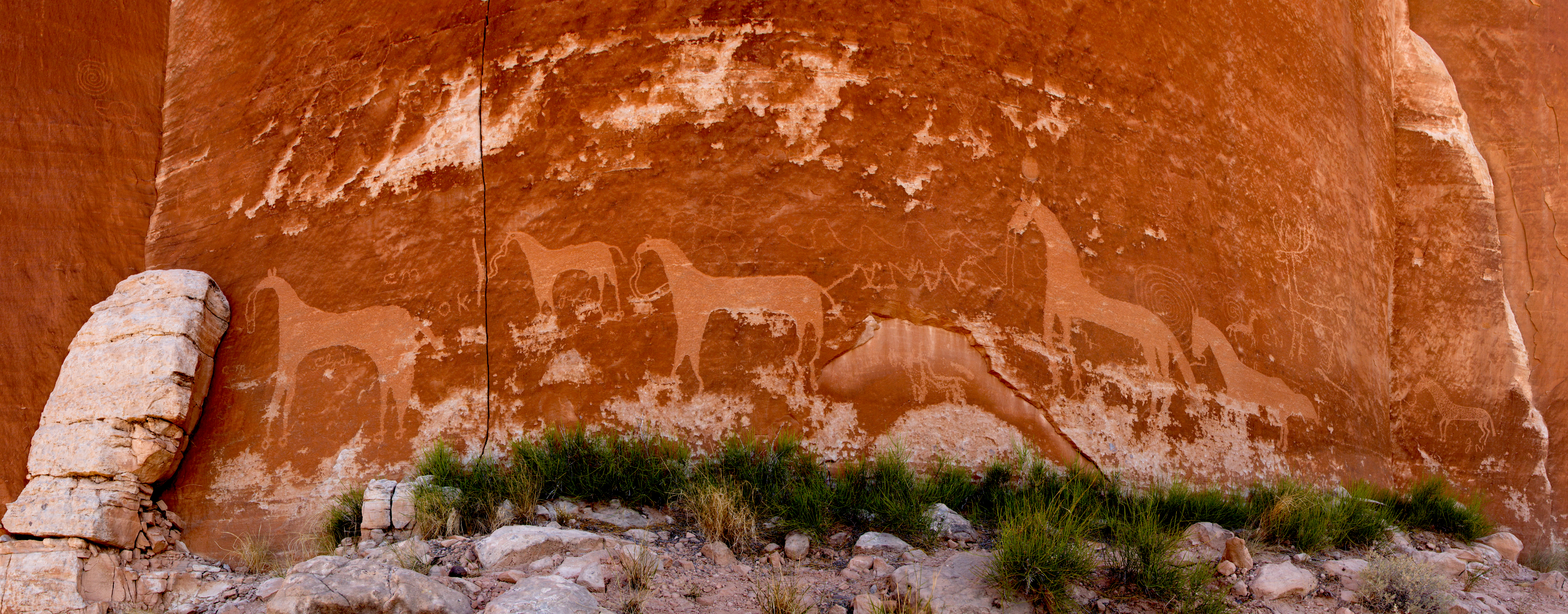
    Horse panel petroglyphs at Cottonwood. Photo by Josh Ewing. Courtesy of Bears Ears Inter-Tribal Coalition.

    Related Posts

    Launch Party 49 | First American Art Magazine Celebrates Issue No. 49

    January 26, 2026

    FAAM No. 48, Fall 2025

    January 19, 2026

    Edmonia Lewis: Said in Stone at the Peabody Essex Museum

    January 8, 2026
    Leave A Reply Cancel Reply

    Woven in Wool, Burke Museum
    Water's Edge: The Art of Truman Lowe. Now Open. NMAI, Washington, DC
    Ancestral Edge at the Ringling Museum
    Sign up for FAAM Art Beat newsletter
    Sign up for FAAM Art Beat newsletter
    Cherokee Language Publishing
    Indigenous Editors Association
    Indigenous Editors Association
    Mission Statement

    First American Art Magazine, LLC (FAAM), broadens understanding of art by Indigenous peoples of the Americas from tribal communities to the global art world.

    Subscribe to FAAM Art Beat, our free monthly newsletter

    Vision Statement

    First American Art Magazine, LLC, strives to foster historical resilience, cross-cultural understanding, and reintegration of humans into the natural world.

    turtleshell rattle by Tommy Wildcat

    First American Art Magazine's offices are located within the ancestral homelands of the Wichita and Affiliated Tribes and the historic territories of the Muscogee Nation and the Seminole Nation of Oklahoma.

    Contact Us

    First American Art Magazine
    3334 W. Main St. #442
    Norman, OK 73072
    (405) 561-7655

    info@firstamerican.art
    ads@firstamerican.art
    circulation@firstamerican.art

    Site Admin

    © 2026 First American Art Magazine, LLC. All rights reserved.

    Type above and press Enter to search. Press Esc to cancel.